Strategy
Design is not just how it looks, it’s how it works at scale
I map flows, priorities and edge cases before pixels, so every screen has a reason to exist and a metric to move.

Six things I bring to every product team, from the first strategy call to the last 3D render.
Design is not just how it looks, it’s how it works at scale
I map flows, priorities and edge cases before pixels, so every screen has a reason to exist and a metric to move.
Bringing interfaces to life through motion
High-fidelity Figma prototypes with real micro-interactions, so teams feel the product before a line of code.
Great products are rooted in human behavior
Designing with empathy is no longer optional. Interviews, audits and usability tests uncover the real friction before a single screen is drawn.
Functionality needs form to build trust and flow
Clarity, simplicity and trust first — accessible UI with clear hierarchy, light and dark themes, and responsive layouts that hold up.
Consistency accelerates velocity, efficiency and reception
Built the Atomic Design way: tokens and variables first, then components, then products — so a team ships faster without losing consistency.
Depth that makes an interface memorable
I combine Figma and Blender: rendered scenes and motion woven into the UX, so a brand stands out without hurting usability.
I studied dentistry at Cairo University, and it left me with two habits I still design with: precision and empathy. Today I turn messy product problems into calm, scalable interfaces.
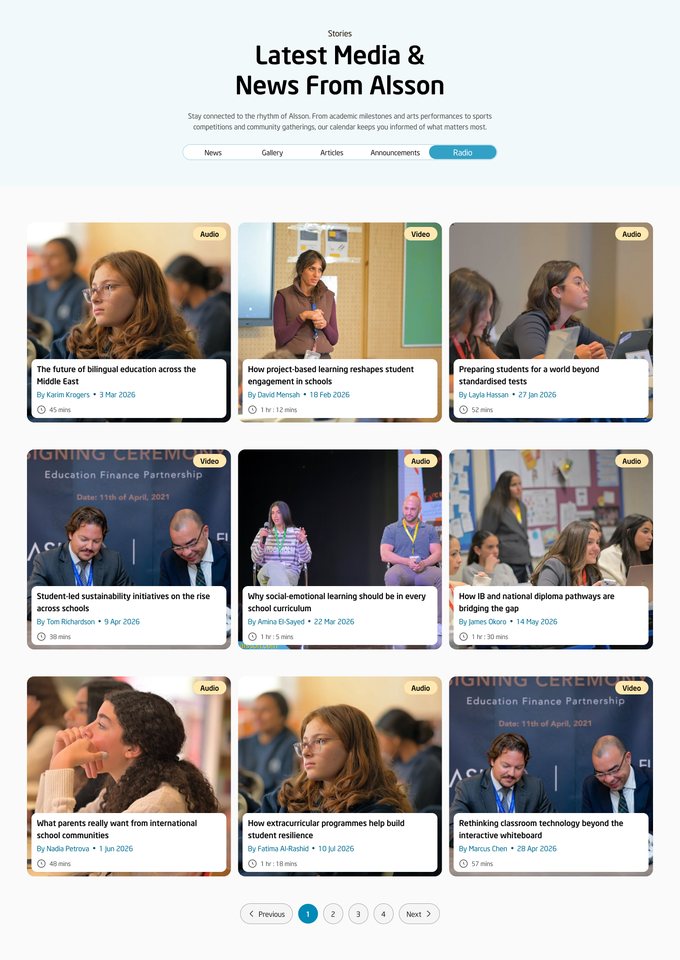
Real screens from products I designed and built, and the tools I build them with.
Open to roles and freelance
UX/UI designer at MitchDesigns, Cairo, and a vibe coder: I build what I design.
See my work9
Industries
10+
Client projects
6
Vibe-coded projects
Dentistry
UX Designer
User Interface Designer
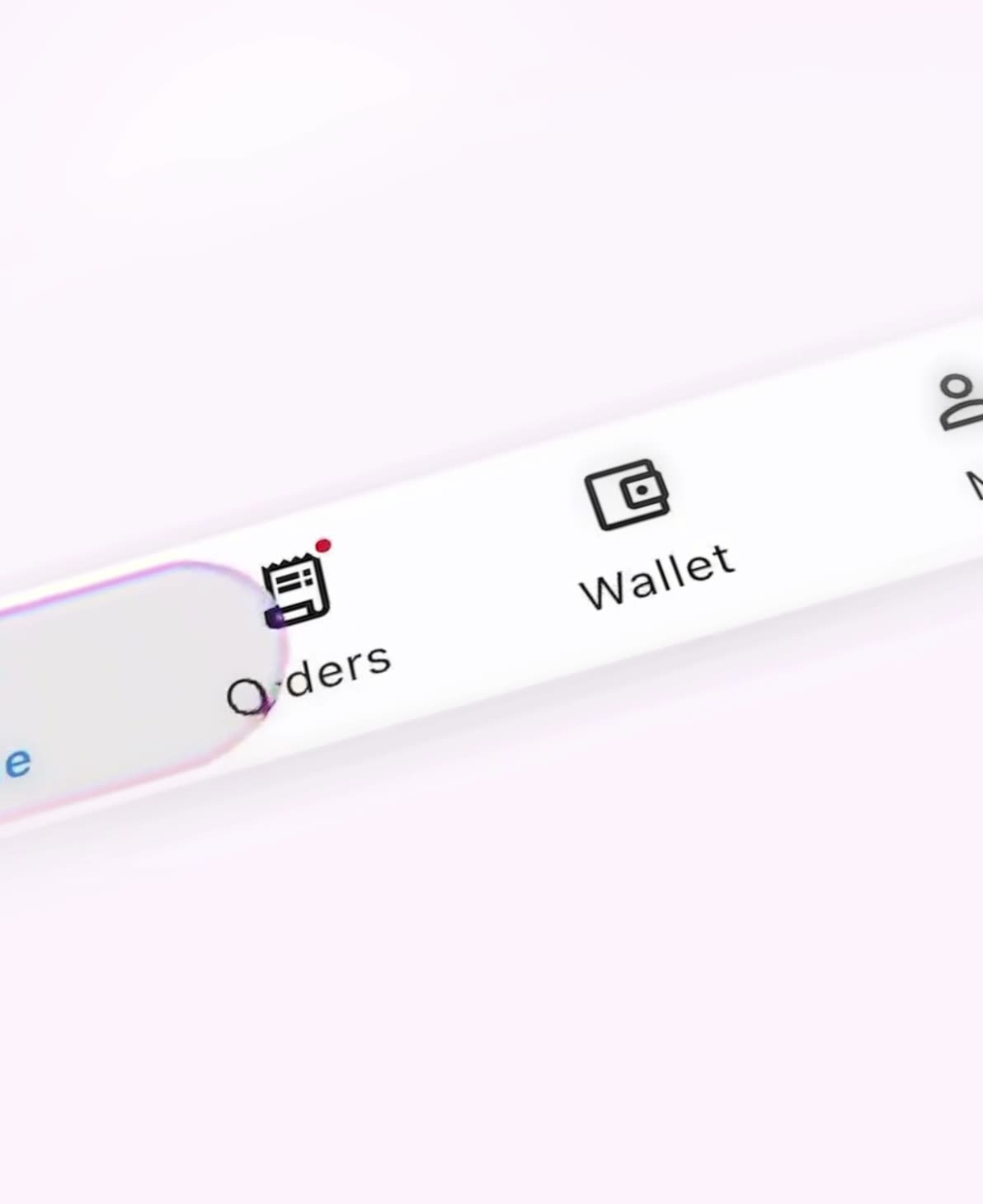
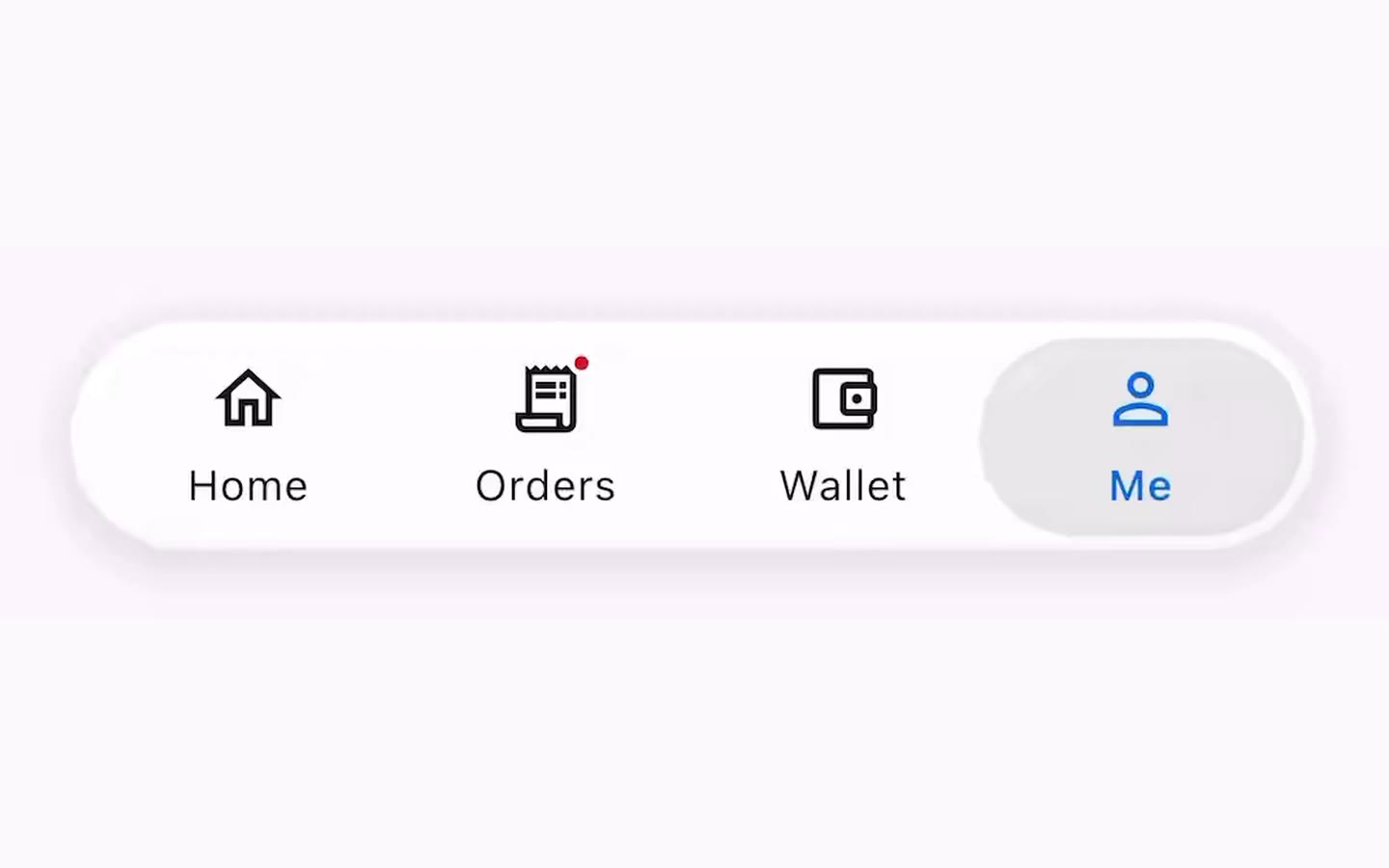
My open-source tab bar, vibe-coded with Claude. Click the bar to try the web port.
flutter pub add liquid_tab_bar
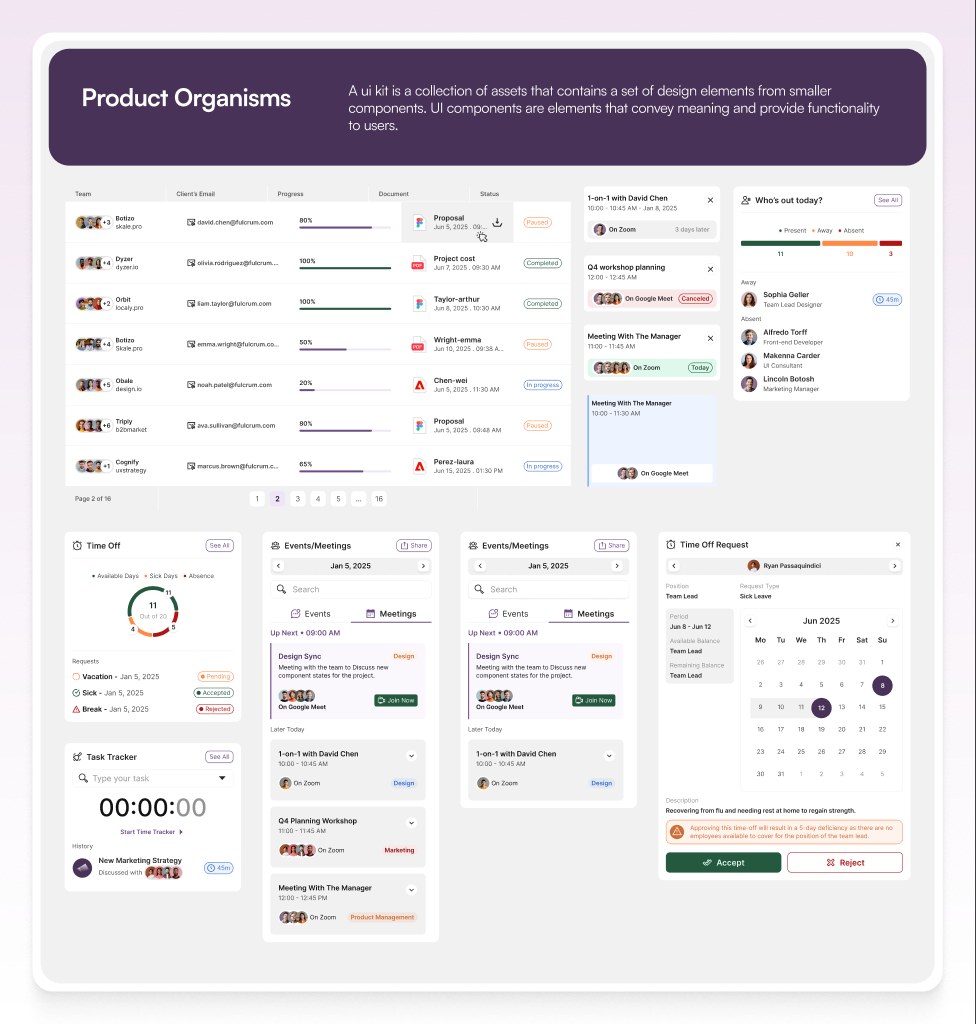
Real components from products I designed. Click, hover and try them.
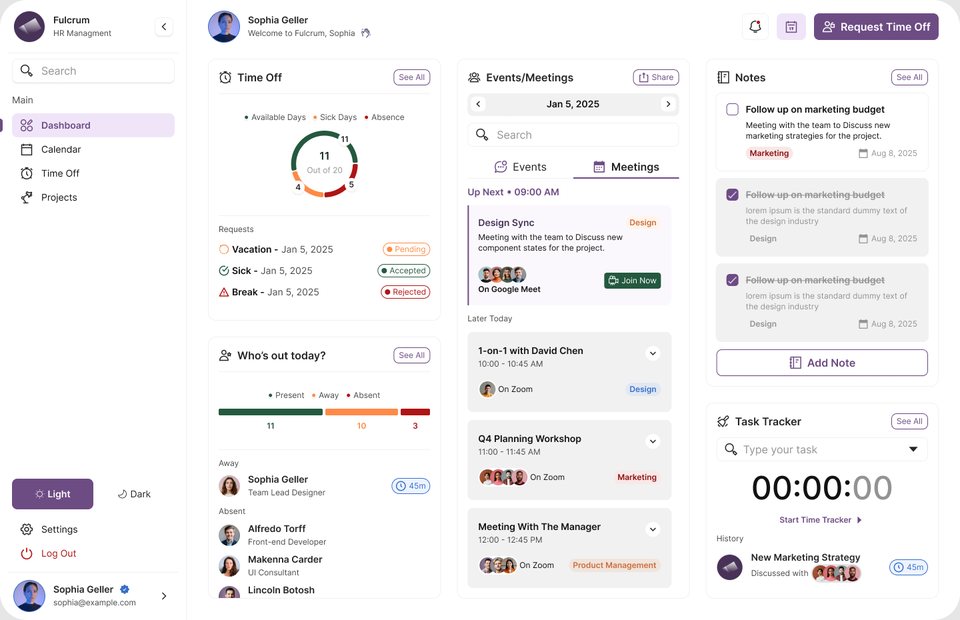
Fulcrum, an HR dashboard: its time-off card. Click a request’s status to accept or reject it.
Requests
Crafted, a burger restaurant: add the slider to your order and change the quantity.
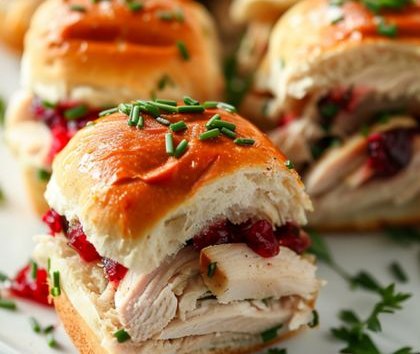
Hot honey sriracha and creamy slaw on a toasted bun.
EGP 150
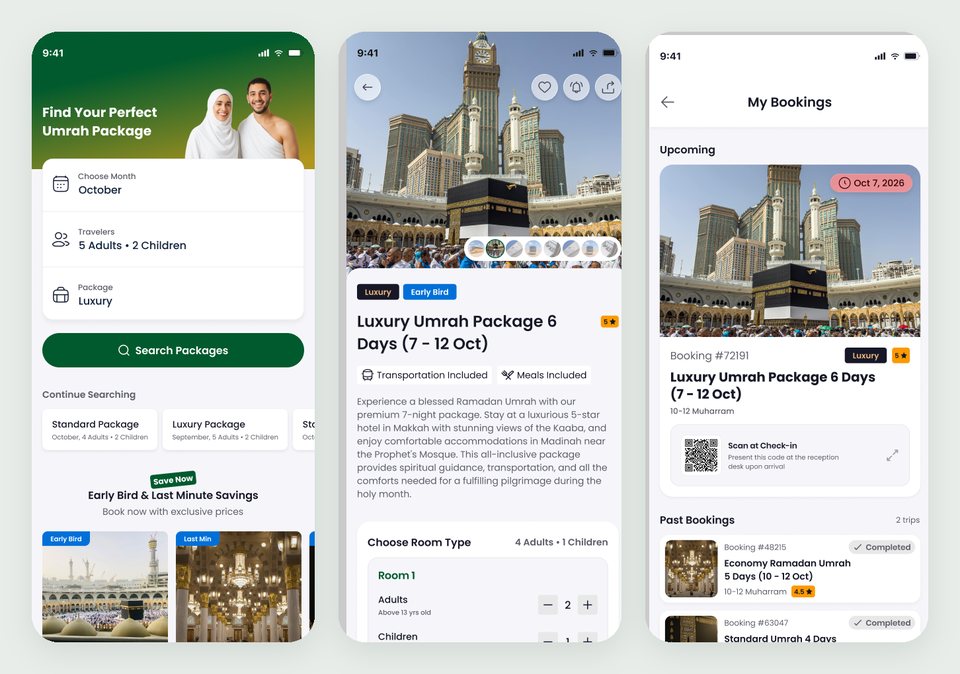
Melia Travel: a tour’s first day and its booking bar. Pick a package and book.

Mindful: a mood check-in that asks one question at a time. Drag the strength slider.
How are you feeling right now?
How strong is this feeling?
Healing is nonlinear, but showing up is powerful.
Four moves I make on every project. Scroll — the pixels follow along.
Before proposing anything, I audit the product a user really lands on — not the version that lives in the client’s head. Architecture, hierarchy, density, mobile.
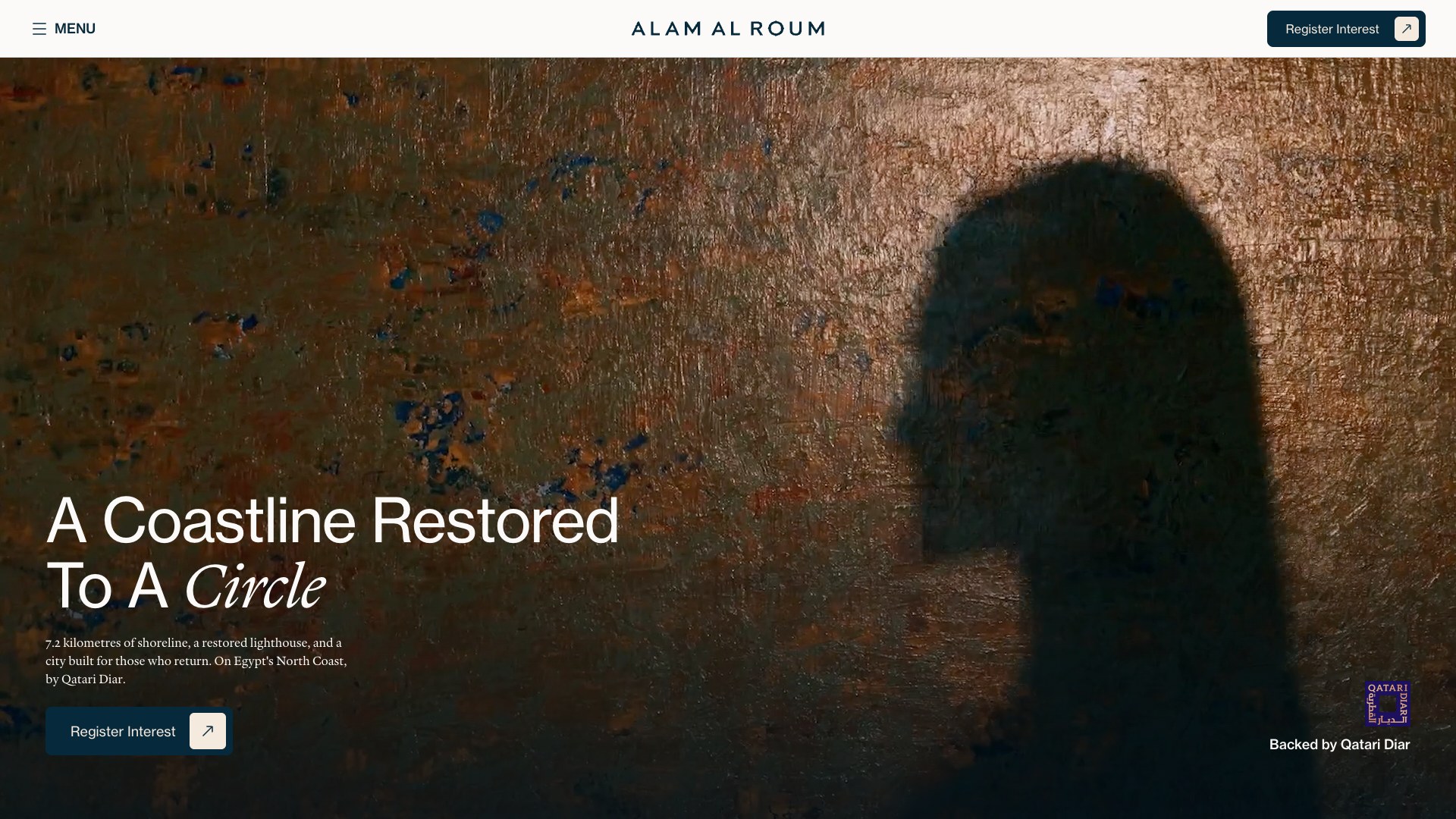
A coastline restored to a circle: a coastal city’s website, designed and vibe-coded in two weeks.
Redesigning a 44-year-old school’s digital front door.
Upstrike is a Cairo marketing agency. I designed its site so every one of its services has its own page and visual.
Melia Travel Egypt sells Egypt tours and Nile cruises. I redesigned the site and made booking a trip much easier.
Casanest is a B2B supplier of furniture, IT and more. I redesigned its site around quote requests and ready-made packages.
I design in Figma, then build it for real with Claude: live sites, a Flutter app and a package on pub.dev.
Agentic AI lets me show my work as a real, animated product instead of a Figma prototype, and testing gets much easier.
1Year
From struggling with Blender and Spline to shipping vibe-coded projects full of the 3D I couldn’t make, and a Flutter package on pub.dev.
In the order it happened, as I posted it.
AI makes it easier to design. Not easier to be a designer.
I wanted interactive 3D elements and was struggling to learn Blender and Spline.

With Claude I could show my work as real, animated sites instead of Figma prototypes, live on GitHub Pages.
I got skills from a Flutter developer to give Claude, finished the app and installed it to test like the real thing.
Built in plain Flutter with Claude, one piece at a time, then published on pub.dev.
Pick the shape that fits. Every one of them ends with a handoff your developers can trust.
UI/UX designer on your product team — hybrid or remote from Cairo.
A website or product interface, from audit and sitemap to polished, animated screens.
Tokens, components and documentation that keep a growing product consistent.
Notes on design, process and the small details — written as I work.
 Flutter
Not React Native. I vibe-coded it with Claude one piece at a time, then put the package on pub.dev.
 Design system
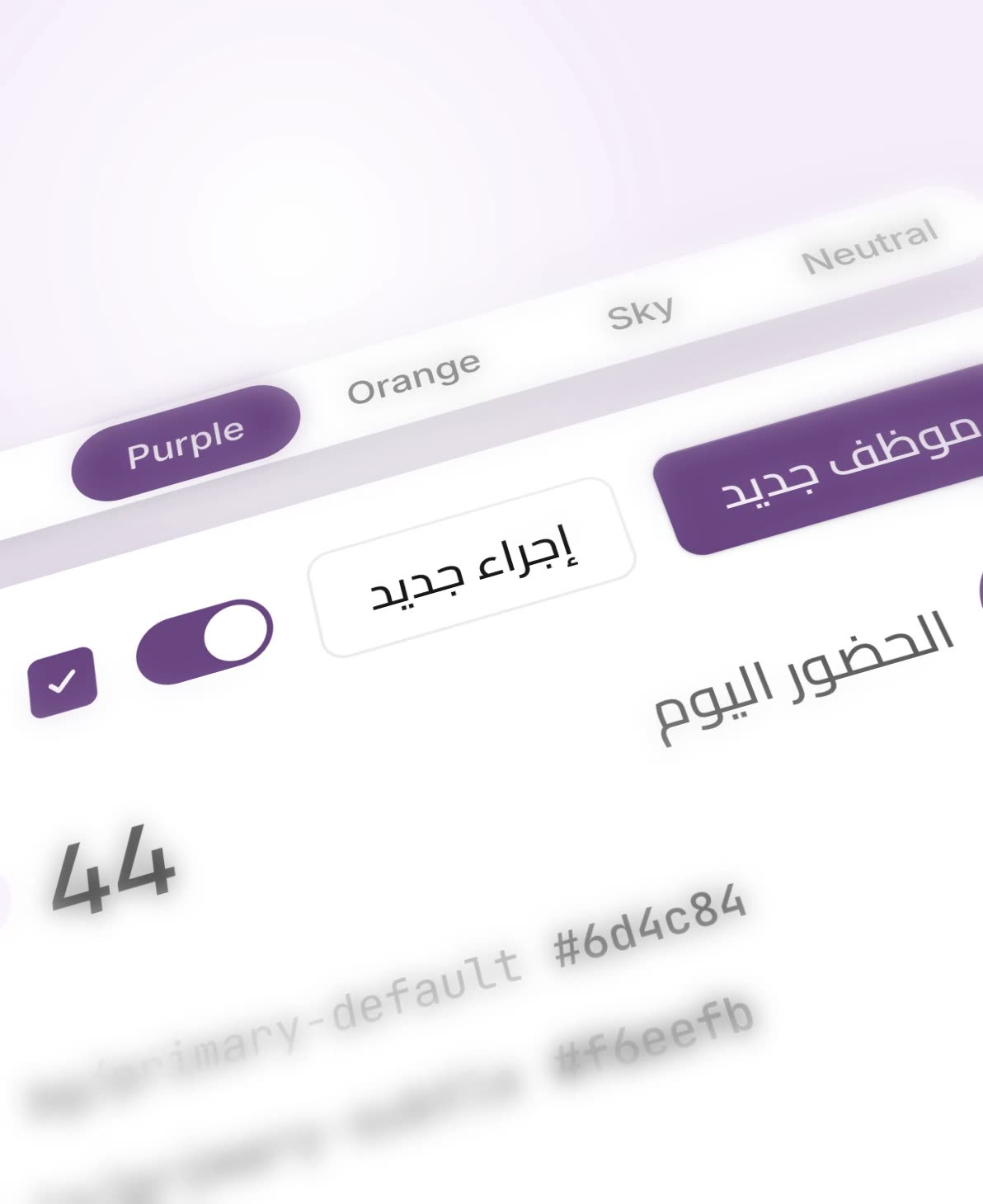
I built it with variables and tokens first, then the product components — and decided to make a product out of it.
 Product design
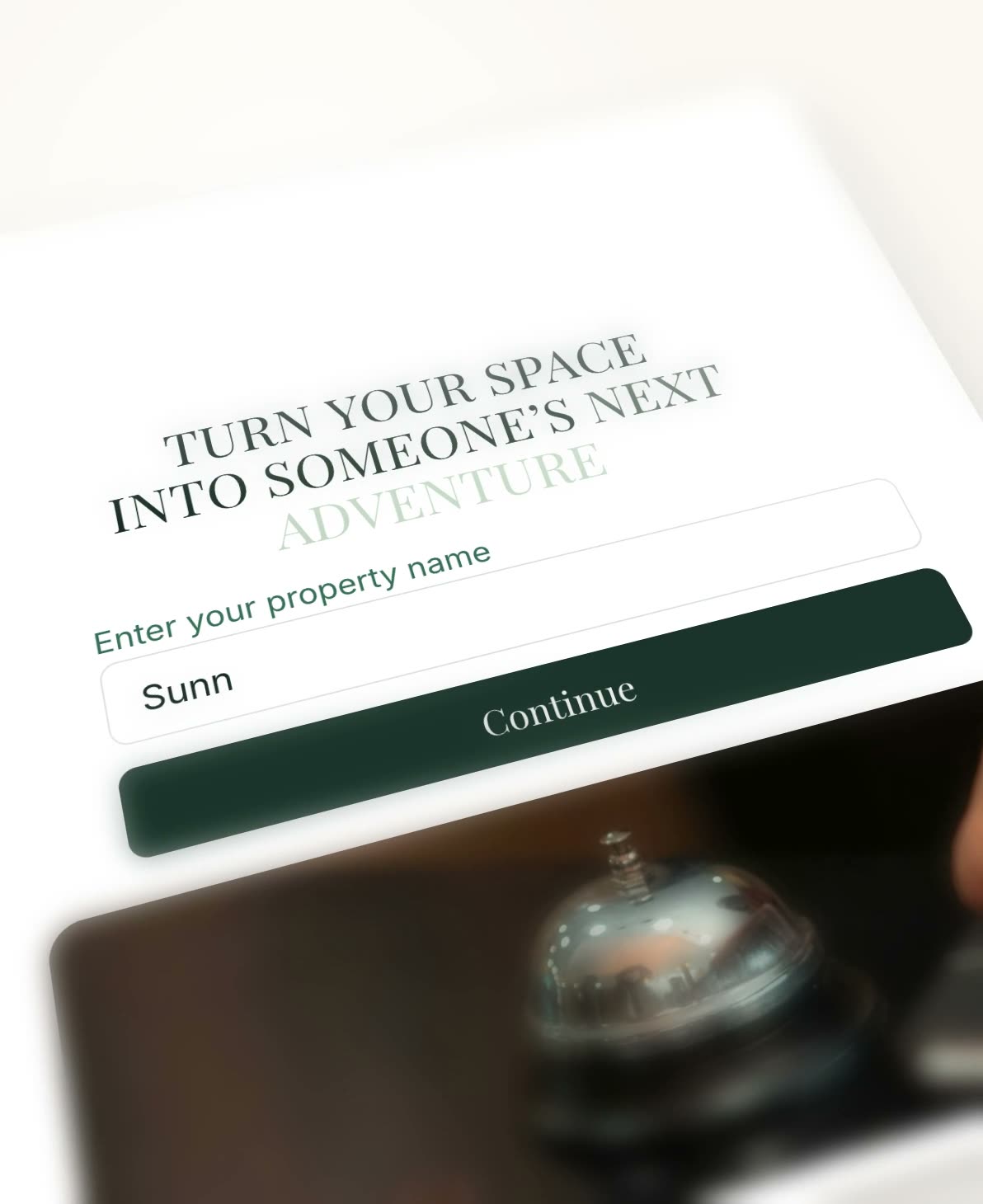
For Otely’s guests we prioritized clarity, simplicity and trust — and a seamless host journey behind it.
Short, clear answers to the questions I hear most often.
Yes. I’m a UI designer at MitchDesigns in Cairo, and I’m open to new roles and freelance projects, hybrid or remote.
Yes. I’m based in Cairo, Egypt. My current role is hybrid, I worked remotely as a freelance UX designer at Nafzhalii, and I’m open to hybrid or remote roles.
Product interfaces for web and mobile, design systems and websites, from the audit and sitemap to polished, animated screens. I’ve designed for education, hospitality, wellness, HR software and local businesses.
Figma to design, FigJam for flows, and Blender for 3D. To build, I use Claude Code with Flutter, React, Next.js and GSAP, and GitHub to ship.
Yes. I vibe-code with Claude: live websites, a Flutter app and liquid_tab_bar, an open-source Flutter package on pub.dev. This website was vibe-coded with Claude too.
I audit what people actually meet, argue for the architecture, sketch before Figma, and build the design system while building the product. Every rule I make becomes a line in a handoff document, with its “why”.
I studied dentistry at Cairo University from 2019 to 2024. It left me with two habits I still design with: precision and empathy.